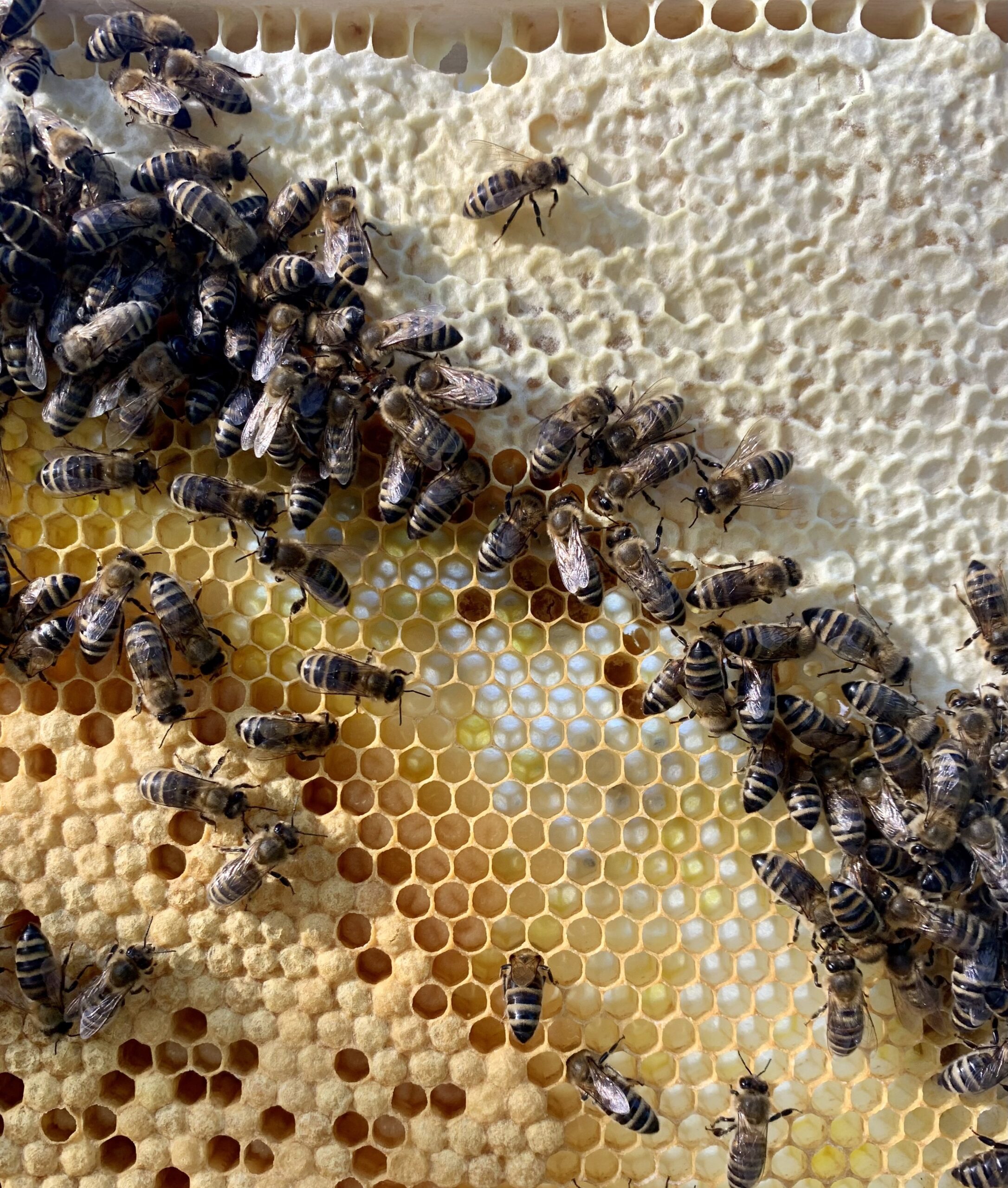

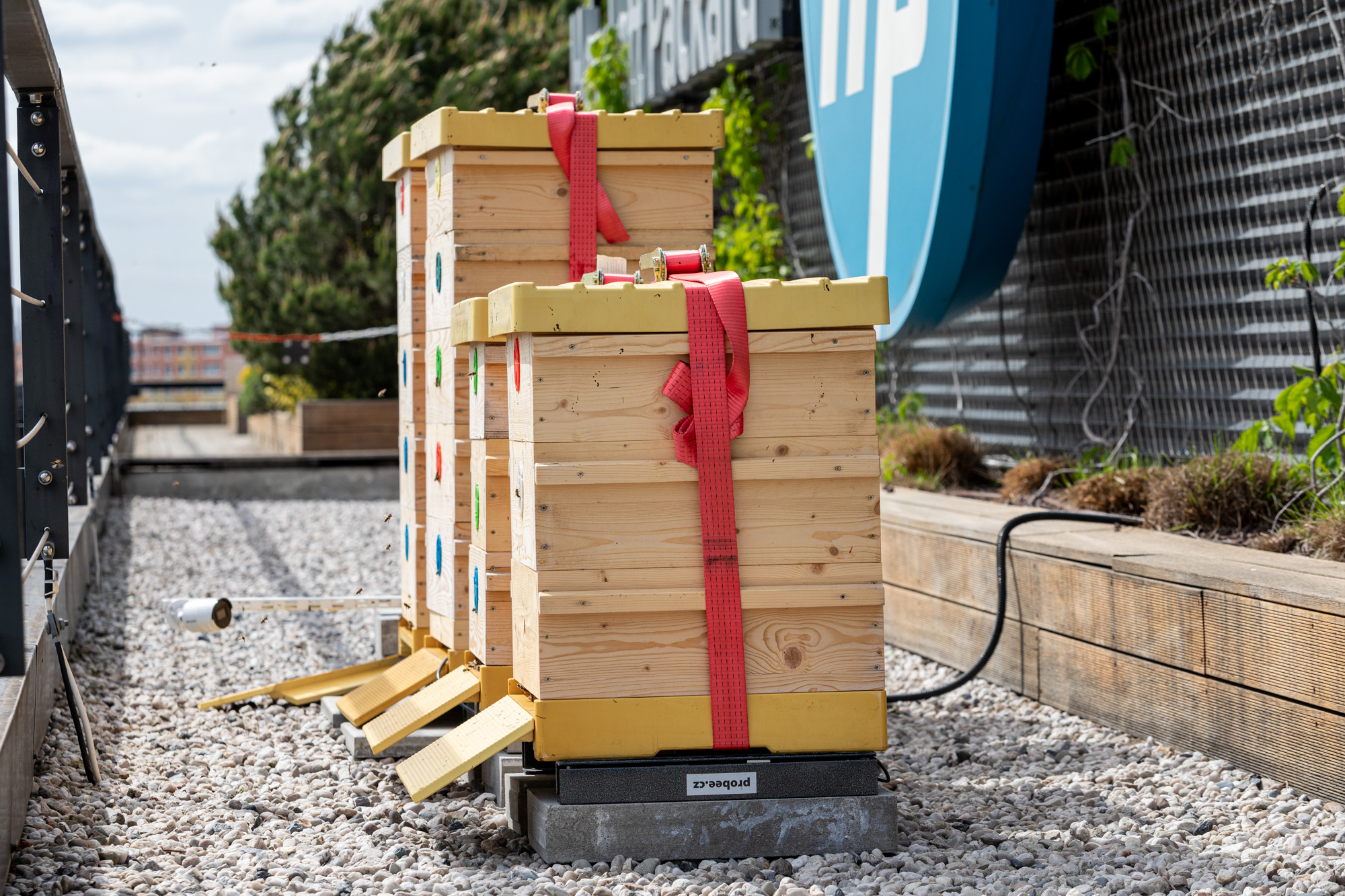
Up to half a million bees in the main season and a record 245 kilograms of honey. The results of this year’s urban beekeeping in Prague’s Brumlovka and Nové Roztyly show that even a densely built-up city can provide bees with good living conditions. In collaboration with a team of experts from the ‘Bees on Rooftops’ project, which cares for the bees in these areas, this year the eight local hives managed to produce 75 % more honey than last year. The bees benefit from the diverse urban greenery, parks, roof gardens and flower plantings that provide them with food throughout the season.
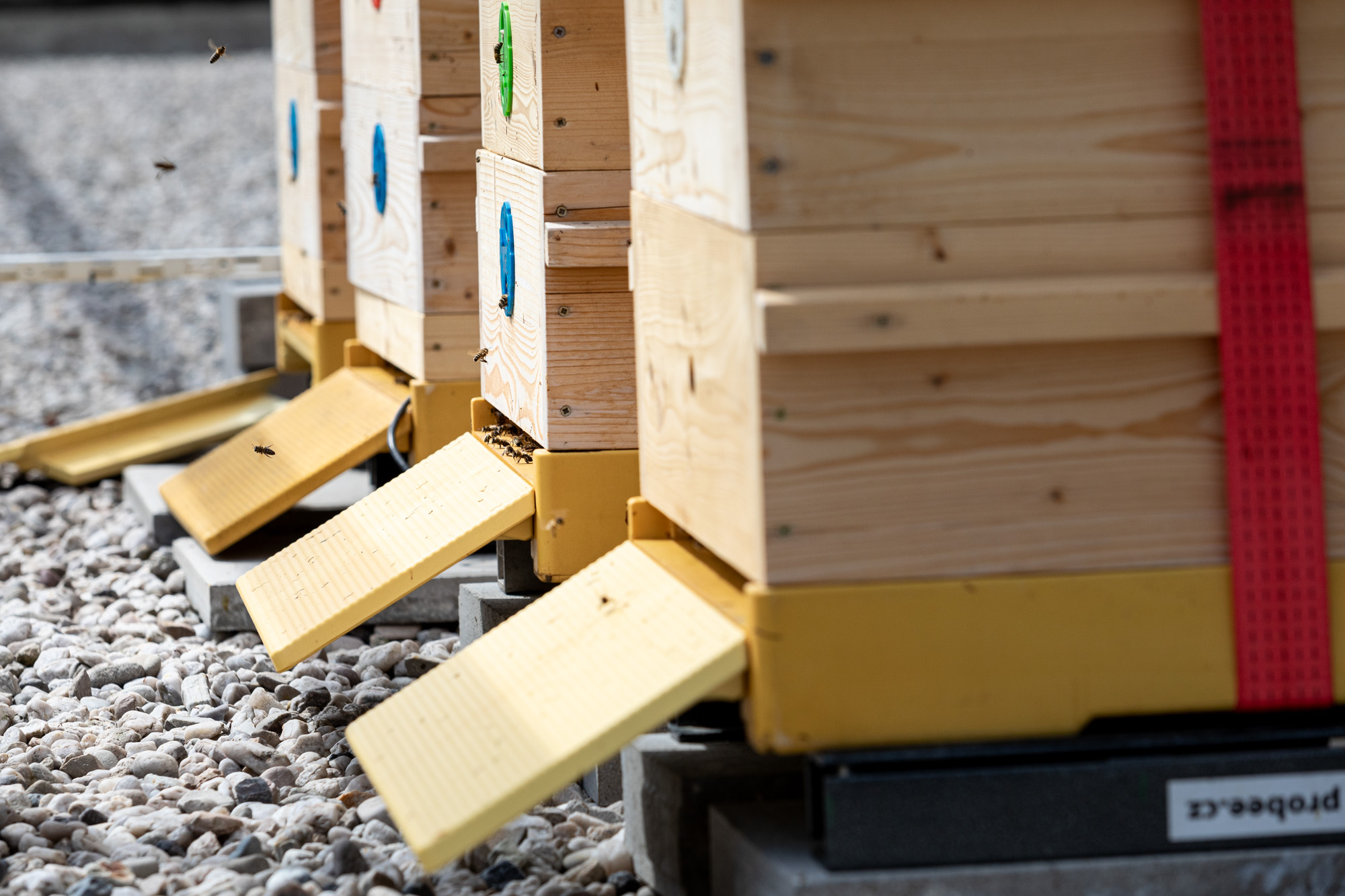
The beehives are located on three buildings at Brumlovka – Alpha, Delta and the tallest building Filadelfie – and also on the Roztyly Plaza building in Nové Roztyly. Even though these are urban locations, the bees here have a varied choice of pasture and sufficient water within reach. They make use of the local parks, roof gardens, flower beds and other green areas, with the nearby Krč Forest also being an important source of food for them.
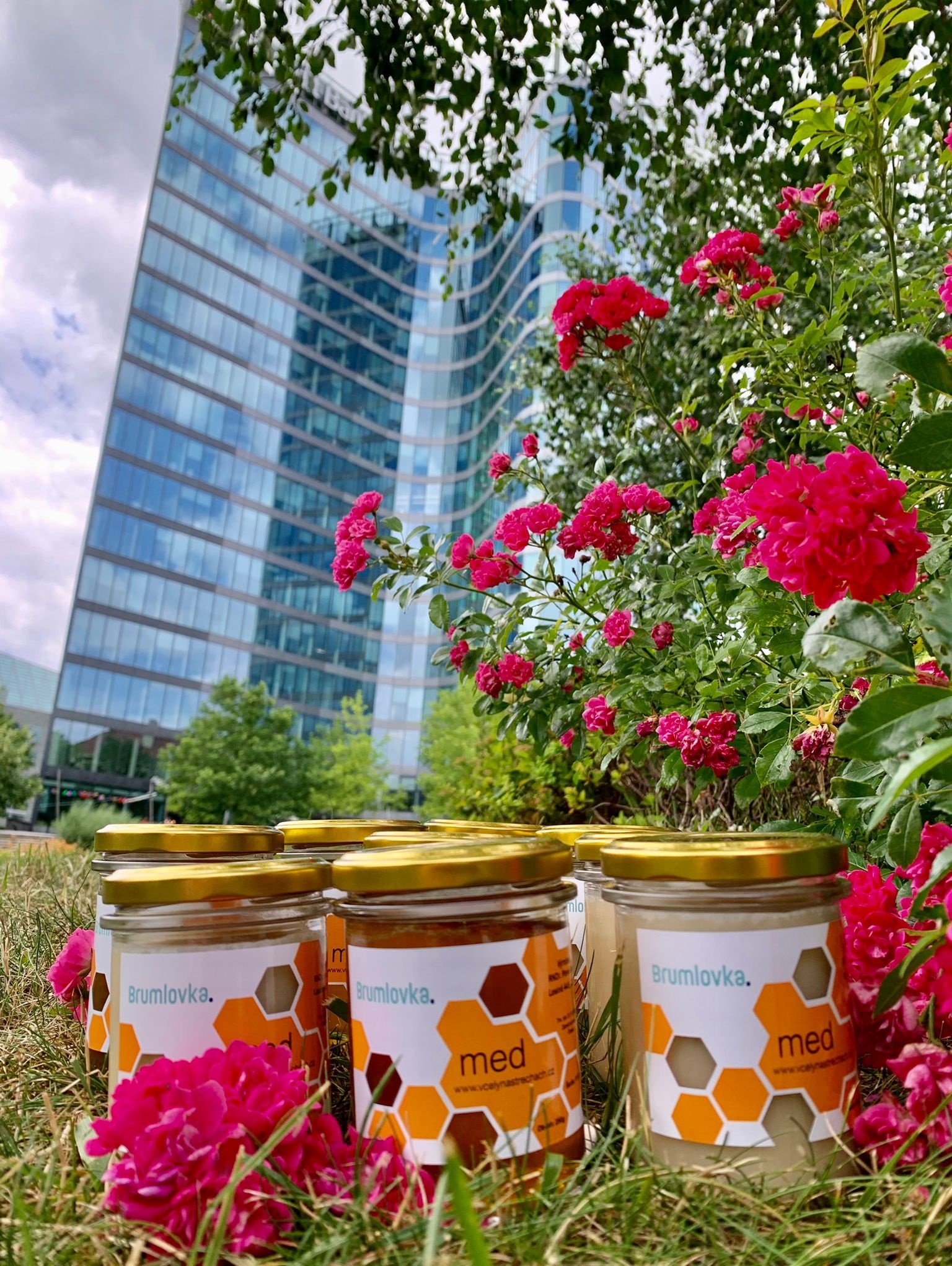
“We are very pleased with this year’s results, but in particular it shows that the bee colonies in our locations are doing really well. Whereas last year we extracted a respectable 140 kilograms of honey from the eight hives, this year it was an incredible 245 kilograms. This gives us further confirmation that, even in a city, if bees have sufficient varied greenery and suitable conditions, they can thrive here. And that is the kind of environment that we are trying to create at Brumlovka and Nové Roztyly,” says Martin Unger, Technical Director & ESG at Passerinvest Group.
Beekeeping that brings companies and the community together
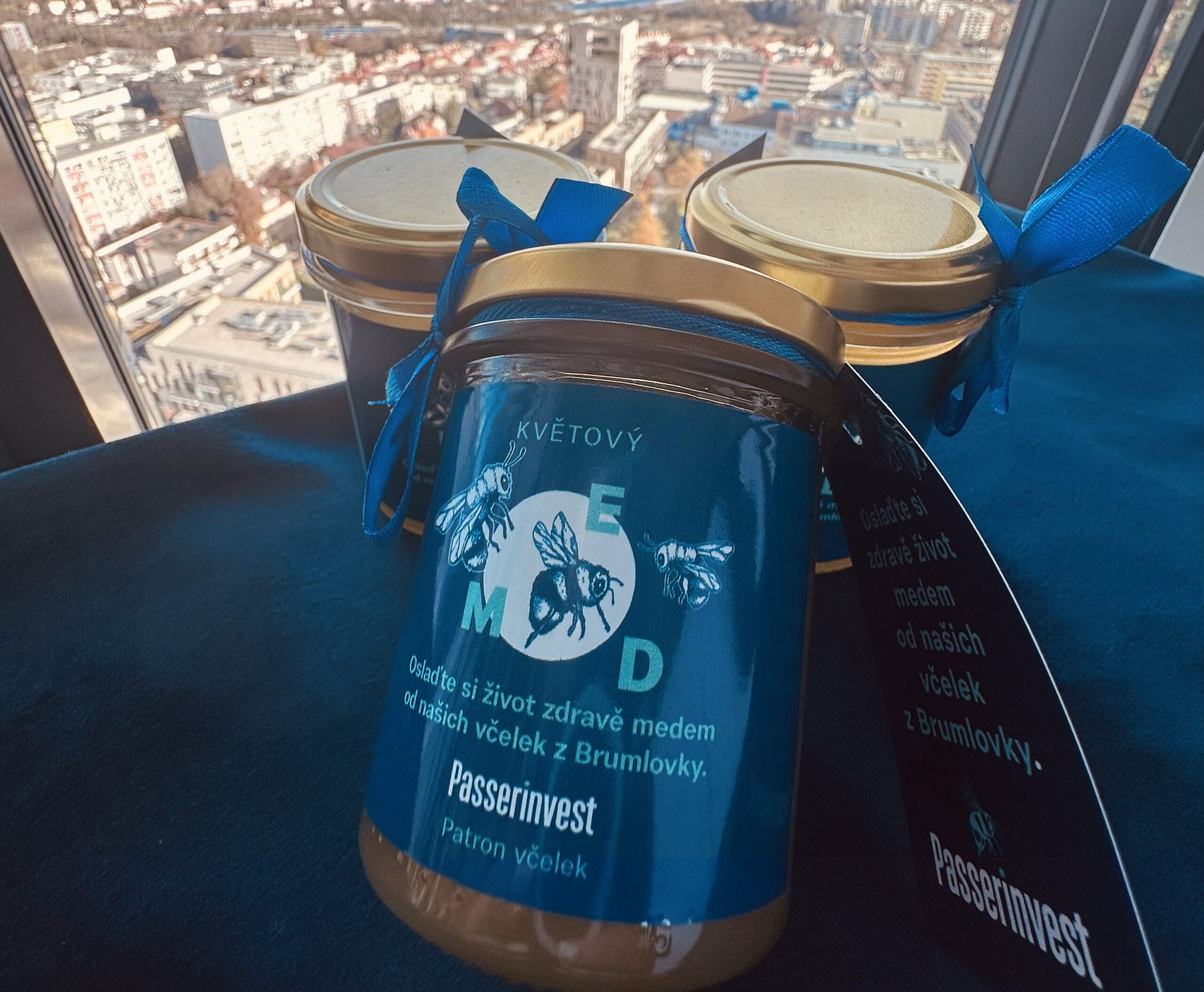
The urban beekeeping project is supported by sponsorship of the beehives by local tenants. In addition to Passerinvest Group, these include DKV Euro Service, Concentrix, HP Inc Czech Republic, Bechtle direct, the Tereza Maxová Foundation and Volvo Car Czech Republic. The sponsors then use the extracted honey, for example, as gifts for employees and business partners, but also at community and charity events. So, as well as supporting diversity, urban beekeeping also brings companies and the local community together and provides further uses for the local honey production.